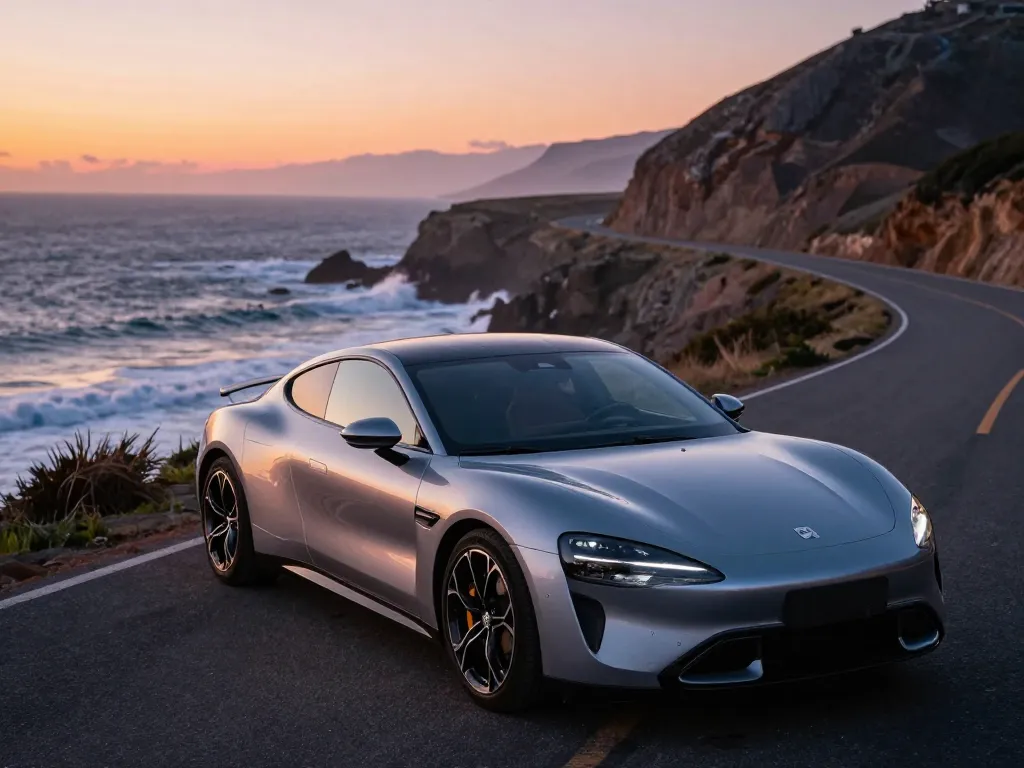
Understanding PPF Winter Road Salt Protection
As winter approaches, vehicle owners must consider the impacts of road conditions on their cars. One of the most detrimental elements during this season is road salt. The application of PPF winter road salt protection is a solution that can safeguard your vehicle against the harsh effects of salt and retain its visual appeal and performance functionality.
What is PPF and Its Importance?
Paint Protection Film (PPF) is a transparent, polyurethane film applied to a vehicle's exterior surfaces to safeguard against scratches, chips, and environmental contaminants. This thin layer provides an additional barrier over the original paint, ensuring that your investment remains intact. The importance of PPF lies in its durability; it can withstand harsh weather, resist abrasions, and prevent corrosion, making it an essential protective measure for all vehicle owners, especially in winter.
How Winter Road Salt Affects Your Vehicle
Winter road salt is notorious for its aggressive nature. It is primarily composed of sodium chloride, which can wreak havoc on a vehicle's paint and bodywork. When salt comes into contact with moisture, it accelerates the oxidation process, leading to rust formation on metal parts. Additionally, the abrasive nature of road salt can lead to micro-scratches even on the most pristine finishes, compromising the vehicle's aesthetics and integrity over time. If left untreated, this can result in extensive damage, expensive repairs, and a significant decrease in resale value.
Why Choose PPF for Salt Protection?
Using PPF for winter road salt protection offers several advantages. Not only does it prevent salt from corroding the paint and metal, but it also acts as a protective layer against other environmental damages such as dirt, debris, and UV rays. PPF is designed to self-heal minor scratches when exposed to heat, ensuring that your vehicle maintains its glossy appearance throughout the winter season. Its user-friendly maintenance further adds to its appeal, as it can be washed and waxed just like any other car surface.
Benefits of PPF Winter Road Salt Protection
Enhanced Durability Against Corrosion
One of the primary benefits of PPF is its enhanced durability against corrosion. The film is resistant to various elements, including road salt, which significantly reduces the risk of rust developing on vulnerable areas of your vehicle. PPF serves as a formidable barrier between the harsh salt solutions and your vehicle's paint, ensuring that corrosion is kept at bay effectively. This longevity is crucial for maintaining the vehicle's optimal condition over many winters.
Preserving Aesthetics Throughout Winter
In addition to protecting the paintwork, PPF helps maintain your vehicle's aesthetics. The film provides a clear, glossy finish that enhances the paint beneath it, ensuring that your car looks pristine even in the grimiest of winter conditions. Many car owners find that PPF helps preserve the vehicle's resale value, as a well-maintained car does not display the typical signs of wear and tear that come with winter driving.
Long-term Cost Savings on Repairs
Investing in PPF represents a strategic decision that can lead to long-term cost savings. While the initial installation may seem like an extra expense, the protection it provides against corrosion and damage will prevent costly repairs down the line. Routine maintenance costs are also minimized, as the need for paint touch-ups and severe cleaning procedures diminishes significantly when PPF is applied.
Applying PPF for Maximum Protection
Preparation Before Installation
Before applying PPF, it's crucial to prepare your vehicle correctly. Start by thoroughly cleaning the surfaces to remove any contaminants, dirt, or wax. This cleaning phase is vital for ensuring proper adhesion of the film. Consider using a clay bar to eliminate any embedded debris in the paint. After cleaning, inspect the paint for scratches or damage that may need repair prior to installation. A smooth, clean surface is essential for achieving optimal results with the PPF application.
Professional vs. DIY Installation
When it comes to installing PPF, vehicle owners face a choice between professional installation and DIY approaches. Professional installation ensures that the film is applied correctly, which minimizes the risk of air bubbles, misalignment, or premature peeling of the edges. While DIY kits are available, they often lack the same quality and precision as professional applications, particularly if you lack experience. Choose based on your confidence level and the value you place on your vehicle’s finish.
Post-Installation Care for Longevity
To maintain the effectiveness of PPF after installation, performing regular maintenance is essential. Wash your car using pH-neutral soap and avoid aggressive scrubbers that could damage the film. It’s recommended to wait at least a week before applying any wax to help the film cure properly. Additionally, consider applying a ceramic coating over the PPF to enhance its hydrophobic properties, making it easier to clean and maintain while providing further protection against winter elements.
Performance Metrics of PPF in Winter Conditions
How to Measure Effectiveness
Measuring the effectiveness of PPF involves observing a few key performance metrics. One method is to monitor the condition of your vehicle’s paint over time, assessing for signs of scratches, chips, or fades. You can also check for signs of corrosion at common exposure points. Experts often recommend annual inspections for PPF integrity and effectiveness, examining the edges and film clarity to ensure it performs as intended.
User Experiences and Testimonials
Positive user experiences often highlight the phenomenal protective features of PPF during winter months. Many vehicle owners report noticeable improvement in paint condition and reduced rust during cold weather after applying PPF. Testimonials frequently note a significant difference in upkeep, with less frequent need for waxing and washing. Substantial variability in experiences may exist depending on the environmental conditions, but overall sentiments point to enhanced satisfaction with this protective measure.
Comparative Analysis with Other Protection Methods
While PPF stands out as a premier option for protecting vehicles from winter road salt, it's beneficial to compare it with other methods such as ceramic coatings and traditional waxes. Ceramic coatings, though durable, might not offer the same level of scratch resistance as PPF. Traditional waxes provide a temporary barrier against the elements but lack the longevity and low maintenance of PPF. In contrast, PPF combines the protective qualities with a visually appealing finish, marking it as a superior choice for long-term vehicle protection against winter conditions.
FAQs About PPF Winter Road Salt Protection
What are the common risks of winter road salt?
Common risks include corrosion of metal parts, paint chipping, and scratch marks due to abrasive salt particles. This can lead to significant repairs if not adequately managed.
Can I install PPF myself?
While you can apply PPF yourself, it requires skill and precision. Professional installation usually yields better results, minimizing risks of bubbles and misalignment.
How long does PPF last in winter conditions?
When properly installed and maintained, PPF can last up to 10 years, even under harsh winter conditions, providing excellent long-term protection.
Will PPF affect my vehicle’s paint finish?
No, PPF is designed to be clear and enhance your vehicle’s paint finish. It protects without altering the aesthetic of the underlying paint.
How can I maintain PPF during winter?
Regular washing with pH-neutral soap, avoiding abrasive materials, and weekly inspections help maintain PPF during winter, ensuring its effectiveness lasts.