
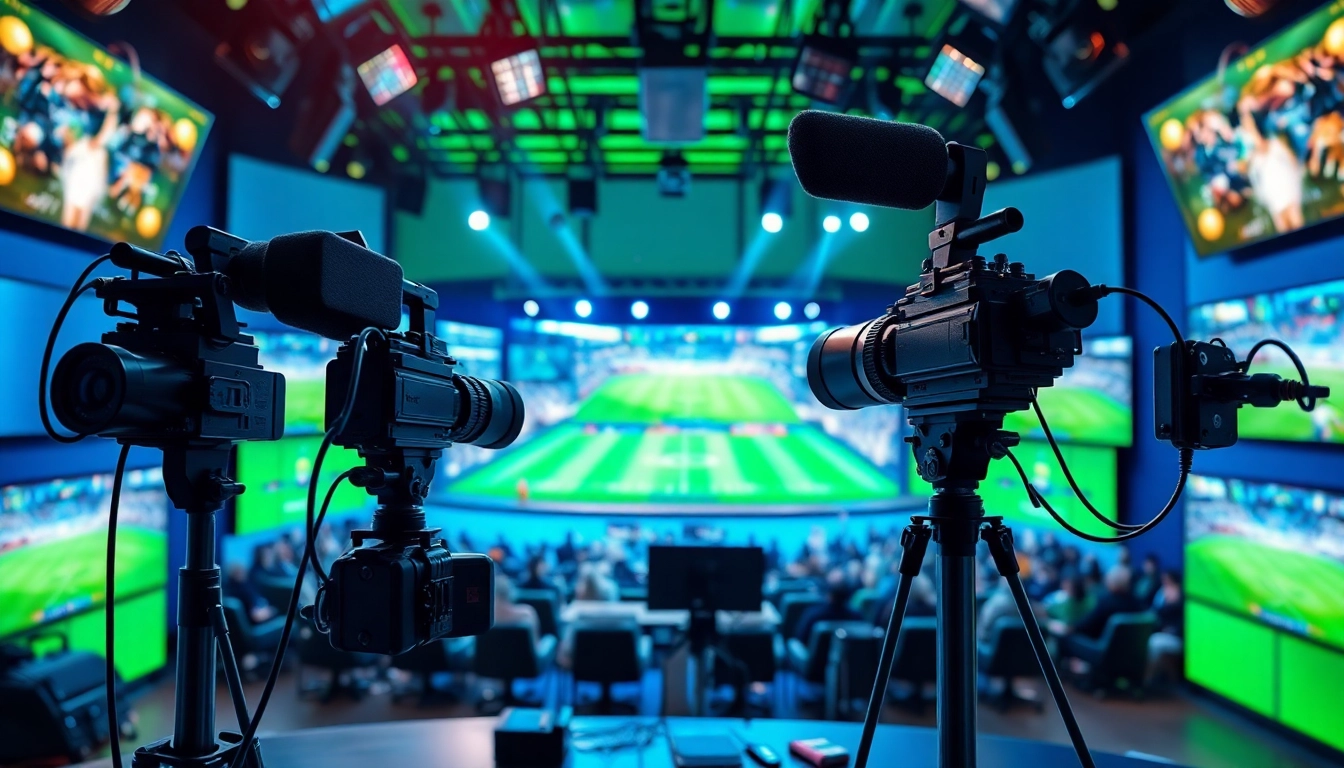
The world of Sports Broadcasting is multifaceted and constantly evolving, shaping the way fans engage with their favorite sports. This article delves into the many layers of sports broadcasting, from foundational elements to emerging trends, aiming to provide aspiring broadcasters, sports professionals, and media enthusiasts with actionable insights and strategies.
Understanding the Fundamentals of Sports Broadcasting
The Role of Sports Broadcasting in Modern Media
In the digital age, sports broadcasting has transcended traditional media boundaries, integrating seamlessly with social platforms and on-demand viewing services. Broadcasters play a crucial role in delivering live events, game highlights, commentary, and analysis. Their work not only informs but influences the emotional and social fabric of sports culture, connecting fans to real-time action and building a community around shared interests.
Essential Equipment and Technology Used in Sports Broadcasting
To effectively broadcast sports, various sophisticated technologies are employed. Here are some crucial tools used in the industry:
- Cameras: High-definition cameras, including 4K and 8K options, allow broadcasters to capture events at remarkable quality, providing close-ups and panoramic views.
- Audio Equipment: Quality microphones and audio mixing hardware ensure clarity in commentary and crowd sounds, creating an immersive experience.
- Broadcast Switchers: These devices allow control over multiple camera feeds, enabling directors to select the best angle and timing for live events.
- Graphics and Data Insertion Tools: Tools that integrate statistical data with visuals enhance viewer understanding and enjoyment.
Key Skills for Effective Sports Broadcasters
Successful sports broadcasters embody several key skills that enhance their performance:
- Communication: Clarity, engagement, and the ability to convey excitement are essential in transmitting the spirit of the game.
- Analytical Thinking: Broadcasters must analyze game strategies, player statistics, and trends to provide insightful commentary.
- Adaptability: Live events are unpredictable; being able to think on one’s feet is crucial for maintaining coverage during unforeseen circumstances.
- Technical Proficiency: Familiarity with broadcasting technology and software can significantly enhance the production quality and fluidity of broadcasts.
Types of Sports Broadcasting Platforms
Television vs. Streaming: What's Best for Sports Broadcasting?
The rise of streaming services has revolutionized sports broadcasting. While traditional television remains a staple for live broadcasts, streaming offers flexibility and accessibility, catering to diverse audience preferences. Broadcasters must recognize the strengths and weaknesses of each platform; for instance, television provides high visibility and established viewer bases, while streaming platforms often offer innovative interactive features, enhancing viewer engagement.
The Evolution of Radio Sports Broadcasting
Radio sports broadcasting, though often overshadowed by visual mediums, retains a loyal audience. The ability to describe a game using only words requires skill and creativity, compelling broadcasters to paint vivid pictures for listeners. Recent adaptations include live commentary integrated with social media discussions, allowing for a real-time conversation that enriches the listening experience.
Social Media's Impact on Sports Broadcasting
Social media platforms like Twitter, Instagram, and Facebook have transformed how sports content is shared and consumed. Immediate interaction and feedback provide broadcasters real-time insights into audience preferences, allowing for better engagement. The fusion of social media with traditional broadcasting offers enriched narratives, enabling a multi-layered sports discourse.
Techniques for Engaging Sports Broadcasting
Creating Compelling Narratives in Sports Commentary
Storytelling is a powerful tool in sports broadcasting. Effective narrators weave personal stories, historical context, and emotional arcs into their commentary. By focusing on storylines—such as rivalries, player journeys, and game stakes—broadcasters can captivate audiences and deepen viewer investment in the sport.
Utilizing Statistics and Data to Enhance Broadcasting
Data analytics have become integral to sports. Broadcasters can leverage statistics to provide depth and context to the live action, enhancing the viewer’s understanding. This might include player performance metrics, historical comparisons, and predictive analytics, which allow fans to appreciate the significance of each moment in real-time.
Building a Connection with the Audience
A successful broadcaster must establish an emotional connection with the audience. This might involve direct engagement through social media, addressing viewer comments, or involving fans' opinions and perspectives in live discussions. Authenticity, relatability, and enthusiasm are key attributes that foster loyalty among sports audiences.
Challenges in the Sports Broadcasting Industry
Navigating Live Coverage Difficulties
Live sports broadcasting is fraught with challenges, including technical glitches, weather interruptions, and unexpected game developments. Broadcasters must develop contingency plans and be equipped to handle crises on air, ensuring seamless coverage and minimal disruptions to viewer enjoyment.
Addressing Audience Feedback and Criticism
Feedback, while essential for growth, can sometimes be harsh. Broadcasters should approach criticism constructively, using it to refine their skills and presentation style. Utilizing social media as a platform for dialogue can help alleviate negative experiences and foster community support.
Adapting to Technological Changes
As technologies continually advance, sports broadcasters must remain adaptable. Embracing new tools and methodologies is essential—not only for enhancing broadcast quality but also for keeping content relevant and engaging. This includes understanding how to use augmented reality (AR) and virtual reality (VR) in broadcasts.
Evaluating Success in Sports Broadcasting
Key Performance Metrics in Sports Broadcasting
Determining the success of sports broadcasts involves analyzing various performance metrics. Key factors often include viewership numbers, audience retention rates, social media engagement, and feedback scores from surveys. Analyzing these metrics allows broadcasters to understand what resonates with audiences.
Listening to Your Audience: Importance of Feedback
Soliciting and responding to audience feedback is crucial for continuous improvement. Engaging viewers through post-game surveys or social media interactions provides valuable insights into audience preferences and highlights areas for improvement in presentation style and content focus.
Future Trends to Watch in Sports Broadcasting
The landscape of sports broadcasting is evolving rapidly. As advancements in technology emerge, trends like AI-driven analysis, interactive broadcasting experiences, and the use of blockchain for multiplayer streaming are becoming more prevalent. Broadcasters who harness these innovations effectively will set themselves apart in a competitive field.
FAQs about Sports Broadcasting
1. What is Sports Broadcasting?
Sports broadcasting refers to the live transmission of sports events via television, radio, or digital platforms, often accompanied by commentary and analysis.
2. How has streaming affected sports broadcasting?
Streaming has enhanced accessibility and provided audiences with flexibility in viewing, while also introducing interactive features that enrich the experience.
3. What skills are essential for sports broadcasters?
Effective communication, analytical thinking, adaptability, and technical proficiency are vital skills for sports broadcasters to engage audiences successfully.
4. What challenges do sports broadcasters face?
Key challenges include navigating live coverage difficulties, managing audience feedback, and adapting to rapid technological changes.
5. How can broadcasters evaluate their success?
Success can be measured through metrics such as viewership numbers, audience retention rates, and feedback from engaged fans, guiding improvements.