
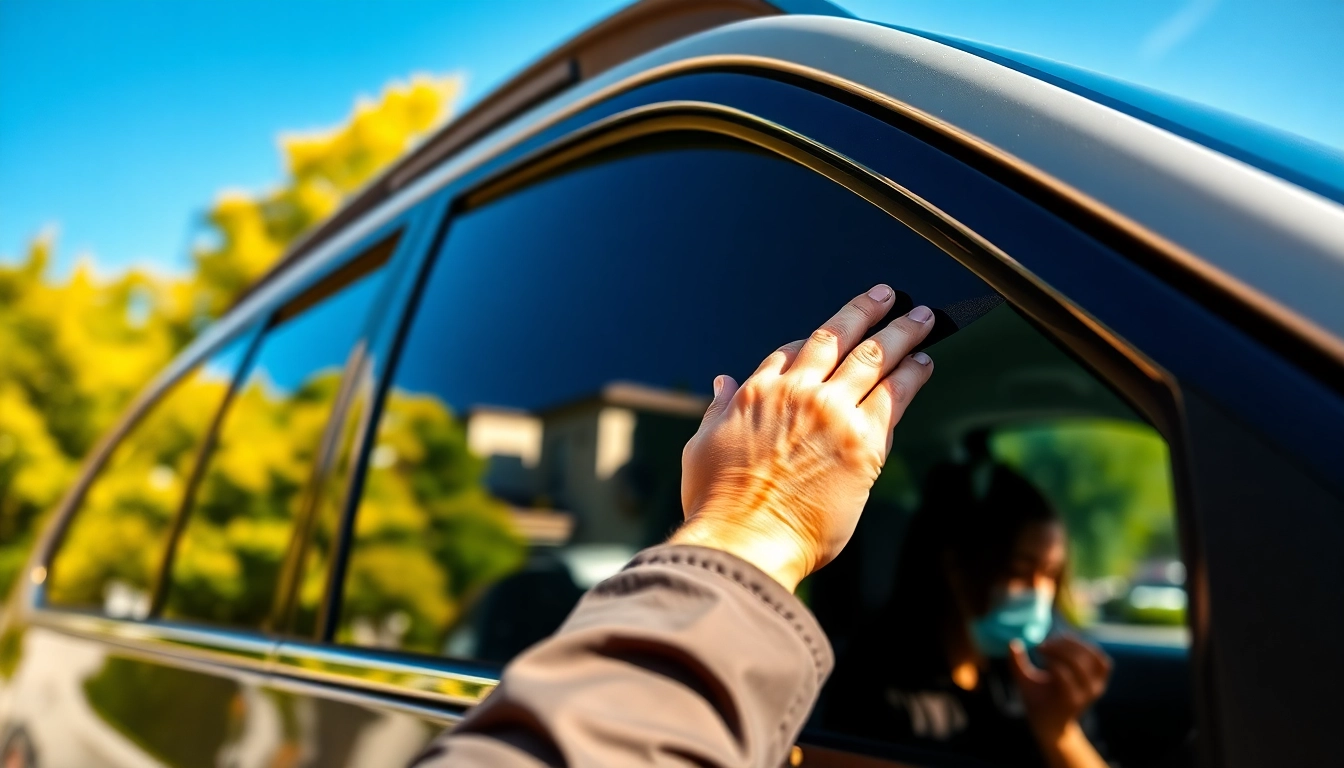
Understanding Window Tinting
What is Window Tint Chattanooga?
Window tinting refers to the application of a thin film to your vehicle’s windows, which serves various purposes, including enhancing privacy, reducing glare, and protecting against harmful UV rays. Specifically in window tint Chattanooga, this process is widely recognized for its practical benefits and aesthetic appeal. The tint film comes in different styles and materials, allowing vehicle owners to choose based on their needs.
Benefits of Window Tinting
Window tinting offers numerous advantages that contribute to a more comfortable and safer driving experience. Some key benefits include:
- UV Protection: Tinted windows block up to 99% of harmful UV rays, significantly reducing the risk of skin cancer and protecting your vehicle’s interior from fading.
- Heat Reduction: By reflecting solar heat, window tint helps maintain a cooler interior, reducing the need for air conditioning and enhancing fuel efficiency.
- Glare Reduction: Tints significantly lower glare from sunlight and headlights, improving visibility and safety while driving.
- Privacy and Security: Tinted windows obscure the view into your vehicle, providing privacy for passengers and belongings and discouraging theft.
- Aesthetic Appeal: A well-applied window tint enhances the vehicle’s look, giving it a sleek and stylish appearance.
- Shatter Resistance: Tints can hold shattered glass together in case of an accident, reducing the risk of injury from glass shards.
Common Myths About Window Tinting
Despite the clear advantages, several misconceptions surround window tinting:
- Myth 1: Tinted windows are illegal. Reality: Window tint laws vary by state, and while some restrictions exist, many states allow for certain levels of tint.
- Myth 2: Window tint makes it too dark inside. Reality: There are various shades, and proper tinting can provide privacy without obstructing visibility.
- Myth 3: All window tints are the same. Reality: Different tints serve distinct purposes, such as UV protection or heat rejection, and vary in quality.
Types of Window Tint
Dyed Window Tint
Dyed window tint involves the use of a dyed film applied to the glass. Its primary function is to provide shade and enhance the vehicle’s aesthetics. While it effectively reduces glare, it does not provide significant heat rejection or UV protection compared to other tint types. One advantage is its cost-effectiveness; however, it can fade over time and may not be as durable as other options.
Metalized Window Tint
This type of tint incorporates metallic particles, which reflect heat and UV rays. Metalized window tint is known for its durability, offering better protection against fading than dyed films. It provides good glare reduction and privacy but may interfere with GPS or radio signals due to the metal content.
Ceramic Window Tint
Ceramic window tint is considered the premium option due to its advanced technology. It consists of non-metallic ceramic particles that effectively block UV rays and heat without interfering with electronic signals. This tint type offers excellent durability, longevity, and aesthetic appeal while being the most expensive option available.
Choosing the Right Tint for Your Vehicle
Factors to Consider
When selecting a window tint for your vehicle, several factors should influence your choice:
- Local Climate: Consider how much sun exposure your vehicle undergoes. Warmer climates benefit from higher heat-rejecting tints.
- Legal Restrictions: Research the local laws regarding window tint levels in Chattanooga to avoid fines.
- Purpose: Define your primary reason for tinting—be it aesthetic, heat reduction, or UV protection—to guide your selection.
- Budget: Tints vary in price; establish a budget to narrow down your choices effectively.
Legal Regulations in Chattanooga
When considering window tint Chattanooga, it is crucial to familiarize yourself with local regulations. Tennessee law specifies that the front windshield must allow more than 70% of light in, while the front side windows should also permit a minimum of 35% light transmission. The rear side and back windows have no restrictions. Always check local laws to ensure compliance to avoid potential penalties.
Consultation Services
Before committing to a window tint, consider seeking professional consultation services. Experts can assess your vehicle, discuss your preferences, and guide you through the varying options. This service often includes demonstrations of different tints and their potential impact on your vehicle’s look and functionality.
Installation Process
Preparation for Installation
Proper preparation ensures a successful window tint installation. Before you begin, clean the windows thoroughly to remove dirt and debris, which could cause imperfections in the tint application. It’s also advisable to remove any window trim or moldings adjacent to the glass to facilitate a smooth application.
Application Techniques
Different techniques may be employed depending on the type of tint being applied. The most common methods include:
- Wet Method: This method uses a solution to apply the tint, allowing for adjustments before squeegeeing out excess liquid.
- Dry Method: Applied without moisture, this technique is primarily for pre-cut tints and requires precision for a flawless finish.
Regardless of the method, attention to detail and experience are key to ensuring a professional-looking result.
Post-Installation Care
After installation, it’s essential to allow the tint to cure properly. Typically, the film takes about three to five days to set completely. During this time, refrain from rolling down the windows or cleaning them. After the drying period, utilize a soft microfiber cloth and a gentle cleaning solution to maintain the tint’s condition.
Maintenance and Longevity
How to Care for Your Window Tint
To ensure window tint longevity, employ the following best practices:
- Avoid Abrasive Cleaners: Use gentle solutions to clean tinted windows, as harsh chemicals can damage the film.
- Regular Inspections: Examine the tint periodically for signs of bubbling or peeling.
- Use Soft Cloths: Always utilize soft cloths to avoid scratches during cleaning.
Signs of Damage
Keep an eye out for common signs indicating that your window tint might need replacement:
- Bubbling or peeling edges.
- Discoloration or fading in the film.
- Increased glare or lack of privacy.
When to Replace Your Tint
Consult a professional if you notice damages mentioned above. Generally, high-quality window tints can last over a decade, while lower-quality options may require replacement sooner. Monitoring any changes will help you decide the appropriate time for a replacement.
Frequently Asked Questions
Is window tinting legal in Chattanooga?
Yes, window tinting is legal in Chattanooga, but specific regulations dictate the allowable tint levels for different windows. Check local laws to ensure compliance.
How long does window tint last?
Depending on the type and quality, window tints can last from five to fifteen years. Regular maintenance can prolong longevity.
Can I remove window tint myself?
While it’s possible to remove window tint yourself, it’s recommended to hire a professional to avoid damage to the windows or adhesive residue.
Will window tinting affect my car insurance?
Generally, window tinting should not impact your insurance premiums. However, it’s wise to inform your insurer about modifications made to your vehicle.
Can I legally drive with damaged tint?
Driving with damaged tint may lead to fines if it doesn’t comply with local laws or affects visibility. Repair or replacement is advisable.